
Bathroom Mould Removal
ClearHome Care helps East Midlands households deal with bathroom mould on ceilings, silicone, grout, walls and around extractor fans, while looking at why moisture is not clearing properly.
Bathrooms create intense bursts of humidity. If extraction, airflow or drying time is poor, mould can return quickly after cleaning. We focus on treatment where suitable and prevention guidance that fits the room.
Free photo check available. Inspections and treatment are recommended only when they are likely to be useful.
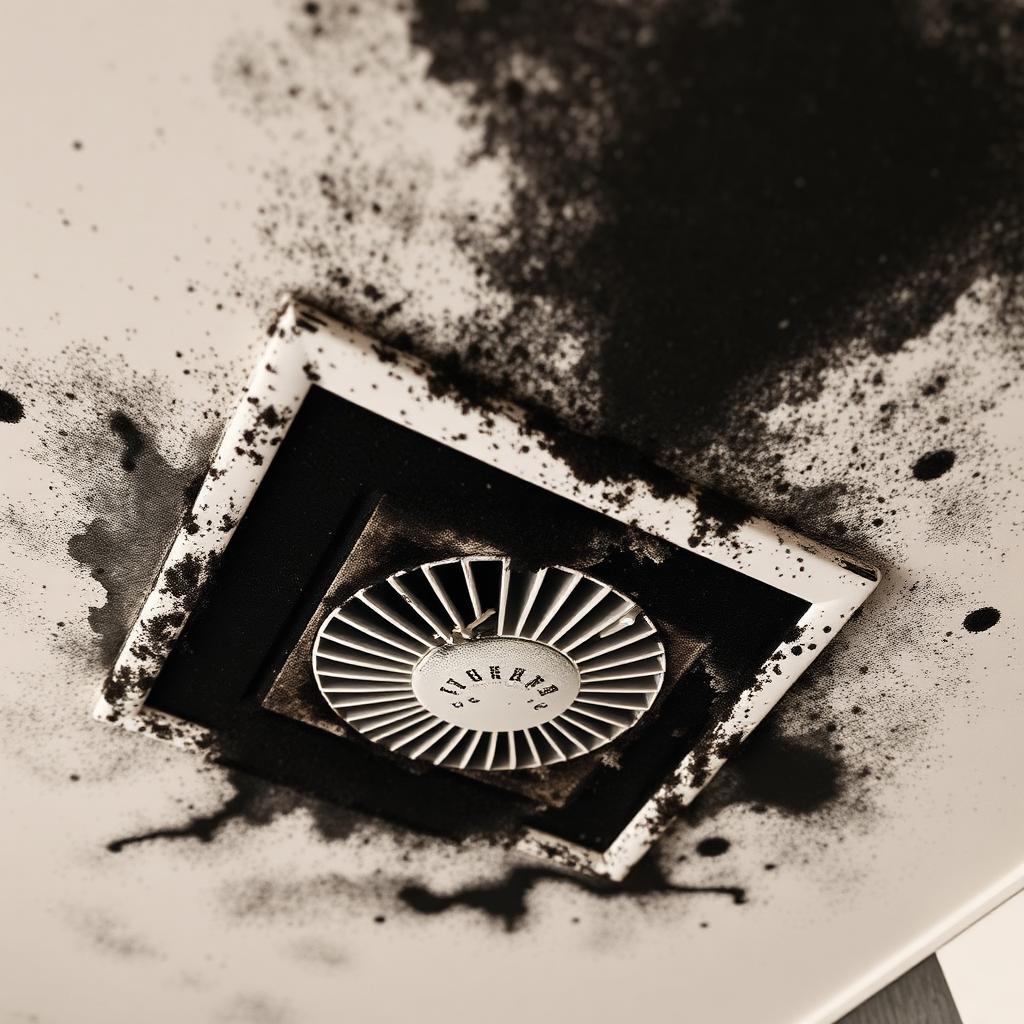
What We Usually Find
Bathroom mould is one of the clearest examples of moisture, airflow and surface temperature interacting. The room may look clean after wiping, then the same patches return because shower moisture keeps settling.
Black mould on bathroom ceilings
Ceilings collect warm humid air after showers and baths. If extraction is weak or the ceiling is cold, mould can form in corners, above the shower or across painted areas.
Mould on silicone and grout
Silicone and grout are exposed to regular wetting, soap residue and slow drying. Once mould has penetrated damaged silicone, replacement may be more effective than repeated cleaning.
Extractor fans with poor airflow
A fan may be noisy but ineffective. Dust, blocked grilles, long duct runs, closed trickle vents and undersized fans can all reduce moisture removal.
Steam escaping into bedrooms
When bathroom steam moves into nearby rooms, mould may appear away from the bathroom itself. This often happens when extraction is switched off too soon or the door is opened immediately after showering.
Recurring marks after repainting
Anti-mould paint can help in some situations, but it does not remove the need for airflow and moisture control. If the surface keeps getting wet, marks can return.
Why The Problem Keeps Returning
Bathroom mould returns because the room repeatedly becomes humid and surfaces do not dry quickly enough. Cleaning the ceiling or grout may remove the visible growth, but the bathroom will keep producing moisture every time it is used.
The extractor is often central to the problem, but it is not the only factor. Fan capacity, duct route, run-on time, door gaps, incoming air, heating, insulation and surface condition can all affect how well a bathroom dries.
ClearHome Care checks the practical causes before recommending treatment. We avoid promising a permanent result where ventilation, shower habits or surface damage still need attention.
Our Inspection & Treatment Process
Our bathroom mould process combines surface assessment with ventilation checks, because bathroom mould rarely has a single cause.
Initial assessment
We review photos of the ceiling, shower area, extractor, windows and any nearby rooms affected by steam or mould.
Moisture and airflow evaluation
We check how the bathroom ventilates, how air enters the room, whether the fan appears blocked and where moisture collects.
Contributing factors identified
We explain likely causes such as poor fan performance, cold ceilings, damaged silicone, short fan run-time or steam escaping into the property.
Treatment recommendations
You receive advice on cleaning, surface treatment, silicone replacement, fan cleaning, fan upgrade or wider ventilation improvement where relevant.
Cleaning and remediation where appropriate
Where suitable, we treat affected bathroom surfaces carefully and explain any limits if materials are damaged or mould has penetrated silicone.
Ventilation and prevention guidance
We advise on fan use, door position, drying time, heating, shower routines and simple checks to help reduce recurrence.
Before, After & Airflow Evidence
Bathroom mould work should be realistic. The most useful proof is seeing the moisture pathway and improving the room's ability to dry.
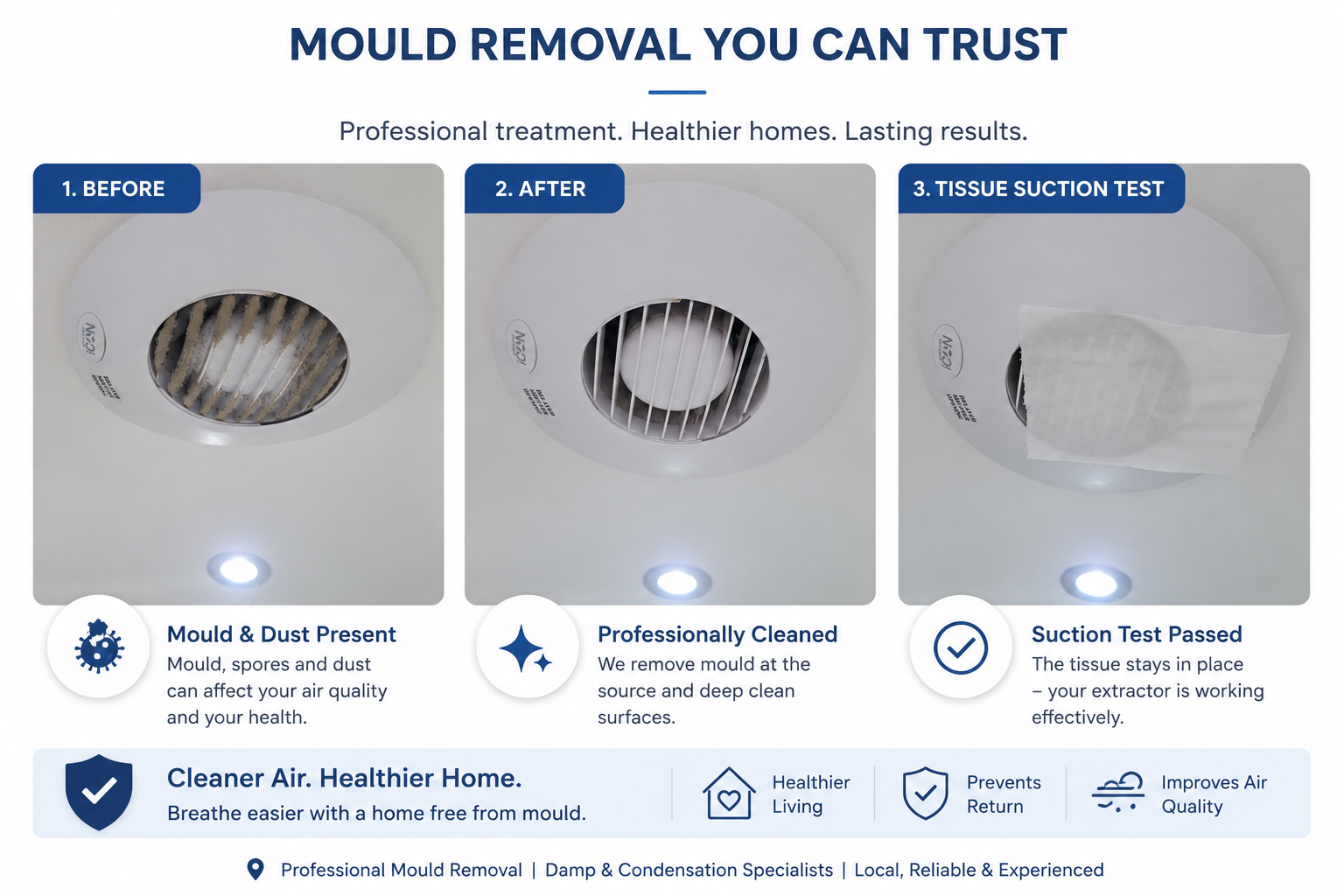
Bathroom mould often follows shower moisture patterns.
We assess whether mould is concentrated above showers, near external walls, around windows or where airflow is weakest.
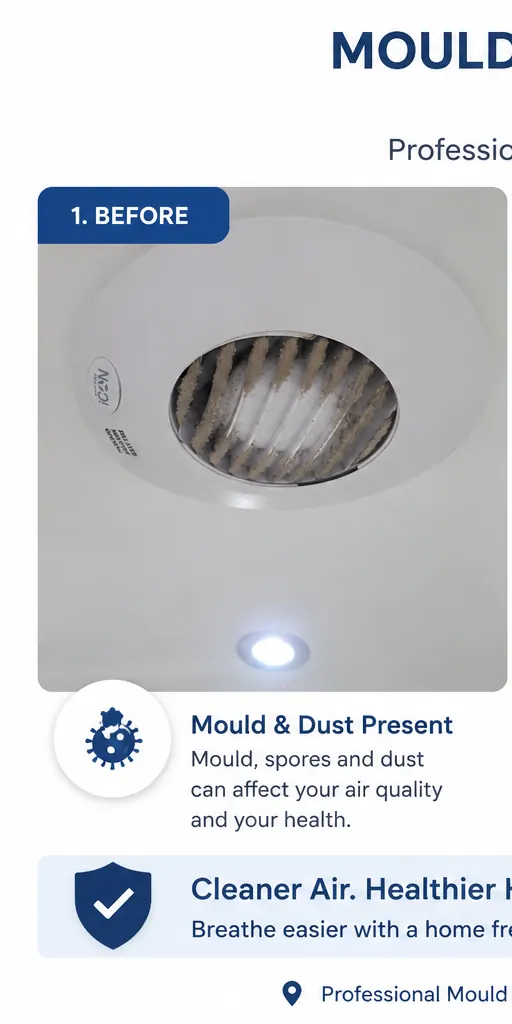
Dust buildup can reduce extractor performance.
Extractor cleaning may help restore airflow when the fan and ducting are otherwise suitable.
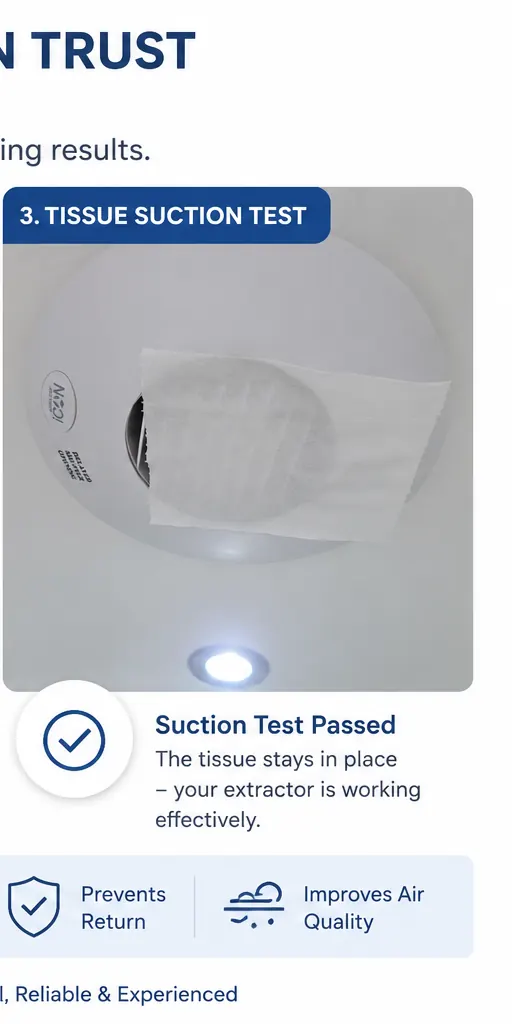
A tissue test gives a quick airflow indication.
The tissue test is a simple visual check that helps occupants understand whether the fan is pulling air at the grille.
Support For Homes, Rentals & Managed Properties
Bathroom mould can affect family homes, shared rentals, HMOs and managed properties. We help identify what is practical for the room and the people using it.
Homeowners
We help homeowners treat bathroom mould and understand whether extractor performance, shower moisture or cold surfaces are driving recurrence.
Landlords
We inspect rental bathrooms, record visible mould and advise on ventilation or maintenance steps that may help address tenant complaints.
Tenants
We explain how bathroom moisture behaves and what signs may suggest a fan, surface or ventilation issue needs attention.
Letting agents
We provide straightforward bathroom mould feedback that can be passed to landlords, tenants and contractors.
Property managers
We support managers dealing with recurring bathroom mould across multiple units, especially where extractor performance is inconsistent.
Local Mould, Damp & Ventilation Knowledge
We provide bathroom mould removal and extractor airflow checks across the East Midlands, including Nottingham, Derby, Leicester, Mansfield and Lincoln. Compact bathrooms, internal bathrooms and older fan installations are common local reasons for condensation problems.
Frequently Asked Questions
Clear answers to the questions people usually ask before booking an inspection, treatment visit or ventilation check.
Why does mould grow on my bathroom ceiling?
Warm humid air rises and can condense on colder ceiling surfaces. If the bathroom does not extract moisture quickly enough, mould can grow on paint and in corners.
Can an extractor fan stop bathroom mould?
A good extractor can reduce moisture, but it must be clean, correctly sized, properly ducted and used long enough. It also needs replacement air to enter the room.
How do I know if my extractor fan is working?
A simple tissue test can show whether air is being pulled at the grille. Noise alone does not prove good extraction, and some fans need cleaning or further checks.
Can mould in silicone be removed?
Surface mould can sometimes be cleaned, but mould that has penetrated silicone may not come out fully. In those cases, removing and replacing damaged silicone may be needed.
Will anti-mould paint fix bathroom mould?
It can help protect a prepared surface, but it will not fix high humidity, weak extraction or cold surfaces. Moisture control still matters.
Why does bathroom mould return so quickly?
Bathrooms produce moisture every day. If the room stays humid after showers or surfaces dry slowly, mould can return even after a thorough clean.
Should the bathroom door be open after a shower?
It depends on ventilation. Opening the door can spread steam into other rooms if the extractor has not cleared moisture first. We can advise based on the room setup.
Do landlords need to fix bathroom mould?
Landlords should respond properly to damp and mould reports. Whether the fix involves cleaning, ventilation, repair or tenant guidance depends on the cause and property condition.
Book A Professional Inspection
We help identify mould, damp, condensation, and ventilation issues across the East Midlands with a focus on healthier homes and long-term prevention.