
Professional Black Mould Removal
ClearHome Care helps homeowners, landlords and tenants across the East Midlands remove black mould safely where appropriate and understand why it appeared in the first place.
We focus on healthier homes, practical moisture control and honest advice around condensation, damp, cold surfaces and ventilation. The aim is not just to clean a wall, but to help reduce the conditions that allow mould to return.
Free photo check available. Inspections and treatment are recommended only when they are likely to be useful.
What We Usually Find
Black mould is usually a symptom of a moisture imbalance. It often appears where warm indoor air meets a cold surface, where airflow is restricted, or where a room produces more moisture than the ventilation can remove.
Mould on cold walls and corners
External walls, corners and areas behind wardrobes can become colder than the rest of the room. When humid air reaches those surfaces it can condense, leaving enough moisture for mould to grow even when the room looks otherwise dry.
Ceiling mould near bathrooms or bedrooms
Ceiling mould often points to trapped warm air, poor extraction, cold roofline areas, or moisture moving from bathrooms into nearby rooms. It is common in upstairs bedrooms, ensuites and properties with limited loft ventilation.
Window condensation and black spotting
Condensation around windows can lead to black marks on silicone, reveals, curtains and nearby paintwork. The visible mould is only part of the issue; the pattern usually tells us something about humidity and airflow.
Mould behind furniture
Furniture placed tightly against external walls can stop air moving across the surface. The wall stays colder, moisture lingers longer, and mould may develop unseen until there is staining, odour or damage to belongings.
Recurring bathroom mould
Bathrooms produce high moisture loads in short periods. If an extractor fan is weak, blocked, switched off too soon, or missing, black mould can return on ceilings, grout, silicone and painted surfaces after cleaning.
Why The Problem Keeps Returning
Black mould keeps returning when the underlying moisture source has not been controlled. A surface clean may remove staining for a short time, but if condensation, dampness, poor airflow or cold bridging remain, the affected area can become wet enough for mould to reappear.
This is why ClearHome Care looks at the room as a system. We consider how moisture is produced, how warm air moves, where cold surfaces sit, whether ventilation is working, and whether there are signs of leaks or building defects that need another trade.
No honest mould specialist should promise mould will never return in every situation. What we can do is treat suitable areas, explain the likely cause, and give practical steps that help reduce future risk.
Our Inspection & Treatment Process
A good mould remediation visit starts with diagnosis. We combine visual checks with simple moisture and airflow observations so you understand what is likely happening in the property.
Initial assessment
We review your photos, ask about the room, heating, ventilation, cleaning history and when the black mould first appeared.
Moisture and airflow evaluation
On inspection, we look for condensation patterns, cold surfaces, humidity clues, blocked airflow and signs that moisture is being trapped.
Contributing factors identified
We explain whether the issue appears linked to condensation, ventilation, lifestyle moisture, leaks, insulation gaps, cold bridging or another source.
Treatment recommendations
You receive clear advice on whether cleaning, treatment, ventilation improvement, further investigation or a specialist trade is the right next step.
Cleaning and remediation where appropriate
Where suitable, we carry out professional mould cleaning and treatment with care for the affected surface and surrounding area.
Ventilation and prevention guidance
We leave you with practical steps for heating, airflow, extractor use, furniture positioning and moisture reduction.
Before, After & Airflow Evidence
The best mould work is calm and evidence-led. Real homes rarely need dramatic imagery; they need careful checks, sensible treatment and a plan that fits the room.
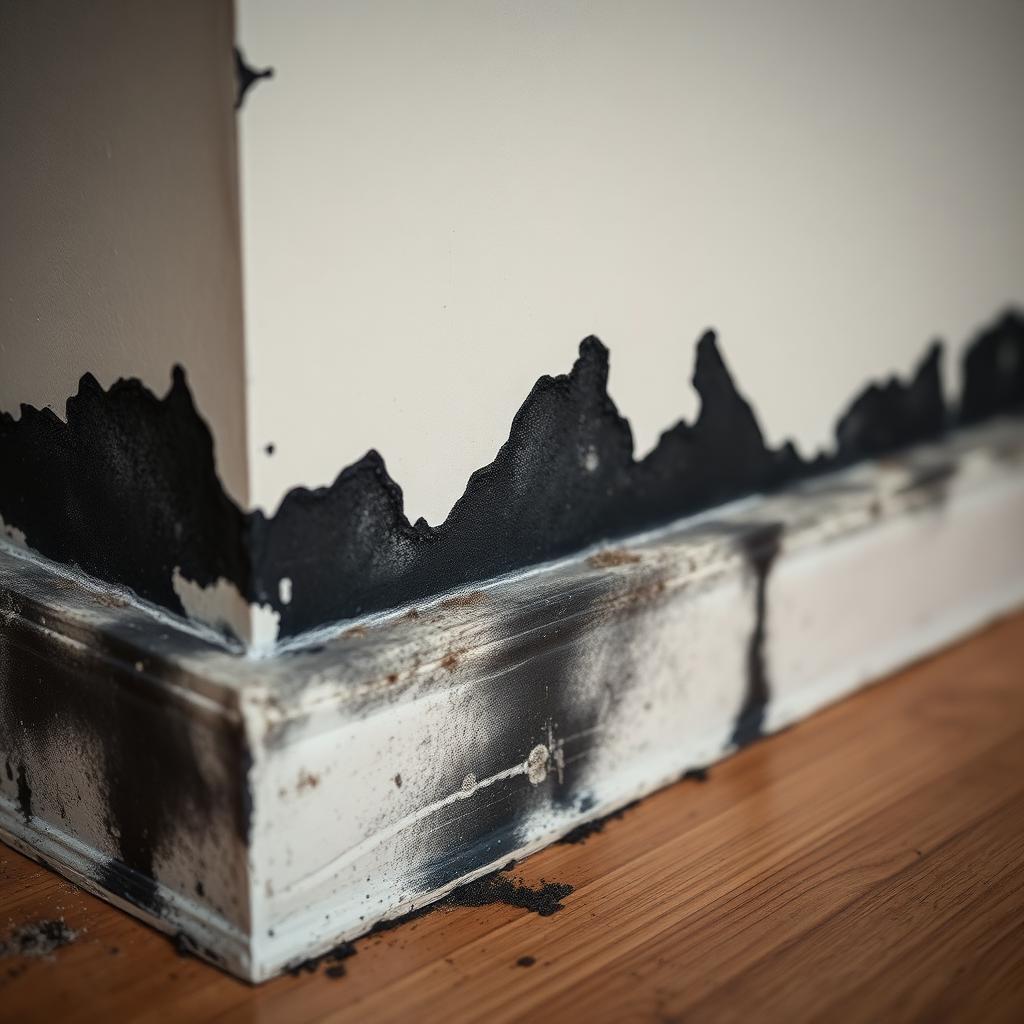
Corner mould linked to cold surfaces and restricted airflow.
Corner mould can indicate condensation on cold external surfaces. The position, surrounding staining and room use help us understand whether airflow, heating pattern or insulation detail may be contributing.
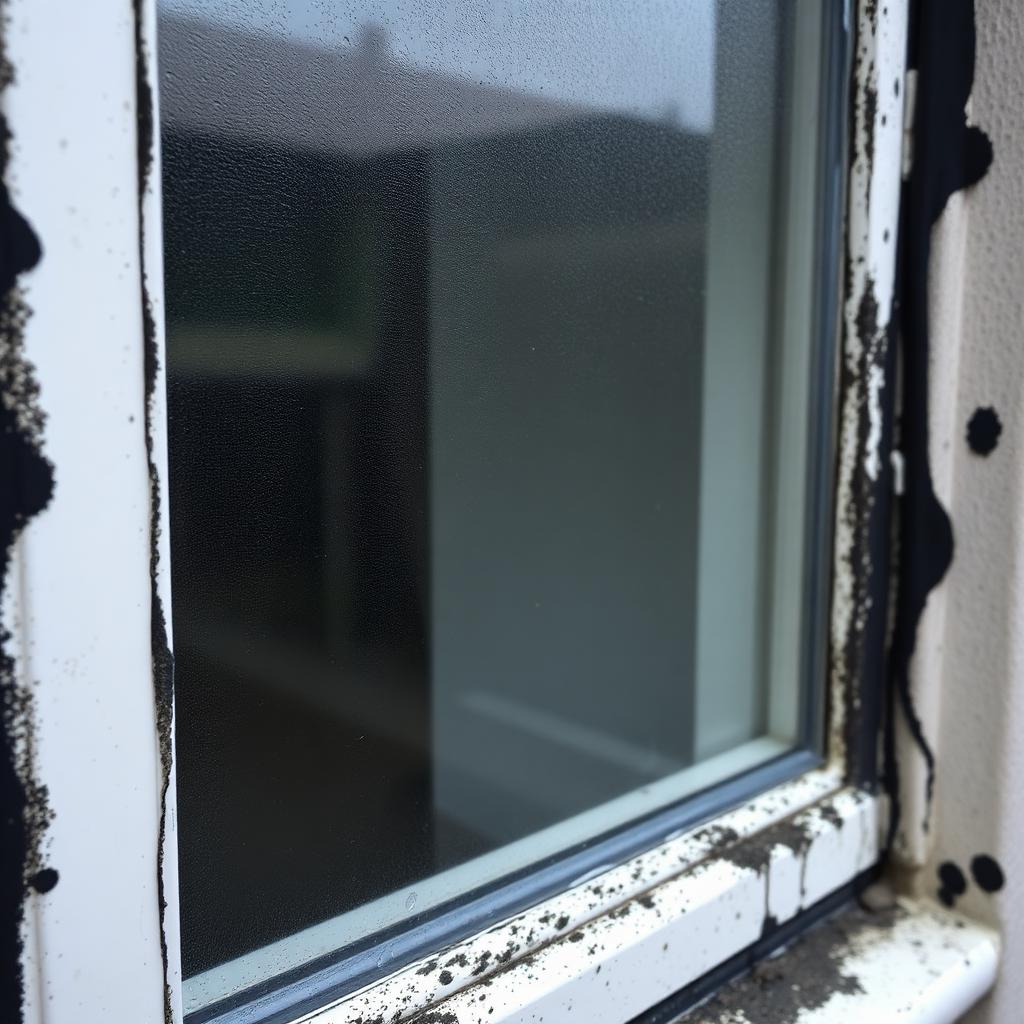
Window mould often follows persistent condensation.
Window areas are useful diagnostic points because they show how often warm indoor air is reaching cold glass or frames and whether moisture is being cleared quickly enough.
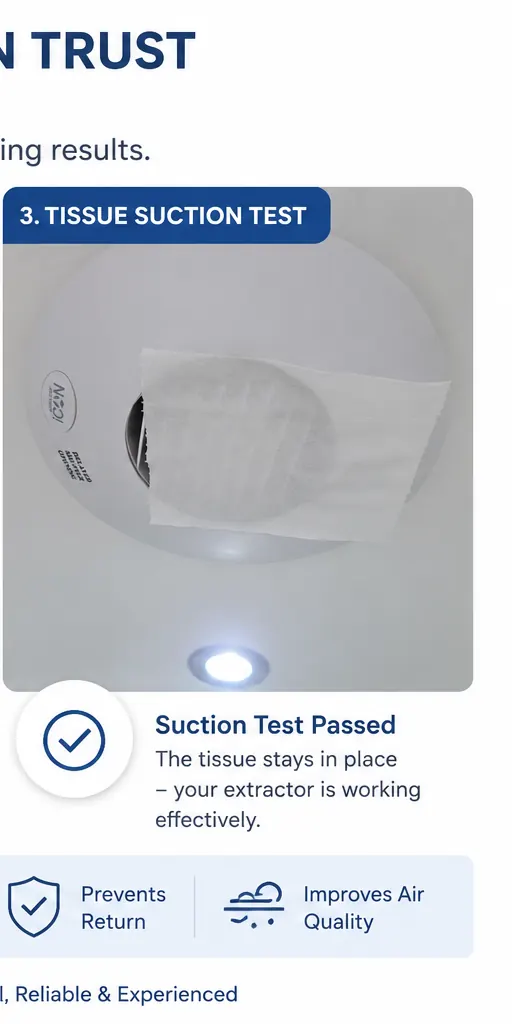
Airflow checks help explain why mould may return.
A simple tissue airflow test can show whether an extractor is pulling air. It does not replace full specialist testing, but it is a practical starting point for moisture control.
Support For Homes, Rentals & Managed Properties
Black mould affects different people in different ways. A homeowner may want a healthier bedroom, a landlord may need a clear response to a complaint, and a tenant may need the cause explained in plain English.
Homeowners
We help homeowners deal with black mould on walls, ceilings, window reveals, behind furniture and in bathrooms, with advice focused on reducing recurrence.
Landlords
We support landlords who need a practical visit, photos, condition notes and clear recommendations after damp or mould has been reported in a rental property.
Tenants
We explain likely causes in a straightforward way so tenants understand whether ventilation, condensation, maintenance issues or other factors may be involved.
Letting agents
We help agents coordinate inspections and provide property managers with sensible next steps that can be shared with owners and occupants.
Property managers
For repeat issues across portfolios, we can identify common patterns such as underperforming extractors, blocked vents and recurring condensation risks.
Local Mould, Damp & Ventilation Knowledge
ClearHome Care provides black mould removal support across the East Midlands, including Nottingham, Derby, Leicester, Mansfield and Lincoln. Many homes in the region have solid walls, older ventilation layouts, modern sealed windows or rental turnover patterns that make condensation and airflow especially important.
Frequently Asked Questions
Clear answers to the questions people usually ask before booking an inspection, treatment visit or ventilation check.
Is black mould dangerous?
Black mould should be taken seriously because damp and mould can affect indoor air quality and may be more of a concern for children, older people and anyone with asthma, allergies or breathing conditions. We do not provide medical advice, but visible mould should not be ignored.
Can I remove black mould myself?
Small patches can sometimes be cleaned carefully, but recurring mould usually needs the moisture cause identified. If it keeps returning after cleaning, professional assessment can help show whether condensation, dampness or poor ventilation is involved.
Why does black mould keep coming back after cleaning?
It usually returns because the surface keeps becoming damp. Common reasons include condensation, cold walls, blocked airflow, weak extractor fans, leaks or high humidity from showers, cooking and drying clothes indoors.
Do you guarantee mould will never return?
No responsible mould specialist should guarantee that in every property. We can treat suitable areas and provide prevention guidance, but long-term control depends on managing moisture, airflow and any building defects.
How quickly can black mould spread?
Growth depends on moisture, temperature, surface type and airflow. If a surface remains damp regularly, mould can spread from small spotting to larger patches over time, especially in bathrooms, bedrooms and behind furniture.
Can ventilation reduce black mould?
Good ventilation can help by removing moisture before it settles on cold surfaces. It is especially important in bathrooms, kitchens and bedrooms where humidity often builds up.
Is black mould always caused by condensation?
No. Condensation is common, but mould can also be linked to leaks, penetrating damp, rising damp, insulation gaps, roof issues or plumbing faults. That is why diagnosis matters.
Do you help with bathroom mould too?
Yes. Bathroom mould is one of the most common black mould problems we see, especially where extractor fan airflow is weak or shower moisture is not being removed quickly.
Book A Professional Inspection
We help identify mould, damp, condensation, and ventilation issues across the East Midlands with a focus on healthier homes and long-term prevention.