
Damp Inspection Services
ClearHome Care provides focused damp inspections across the East Midlands for homeowners, buyers, landlords and tenants who need clear guidance before taking the next step.
We look for visible moisture patterns, damp smells, mould risk, ventilation problems and signs that further specialist investigation may be needed. You get plain-English findings rather than guesswork.
Free photo check available. Inspections and treatment are recommended only when they are likely to be useful.
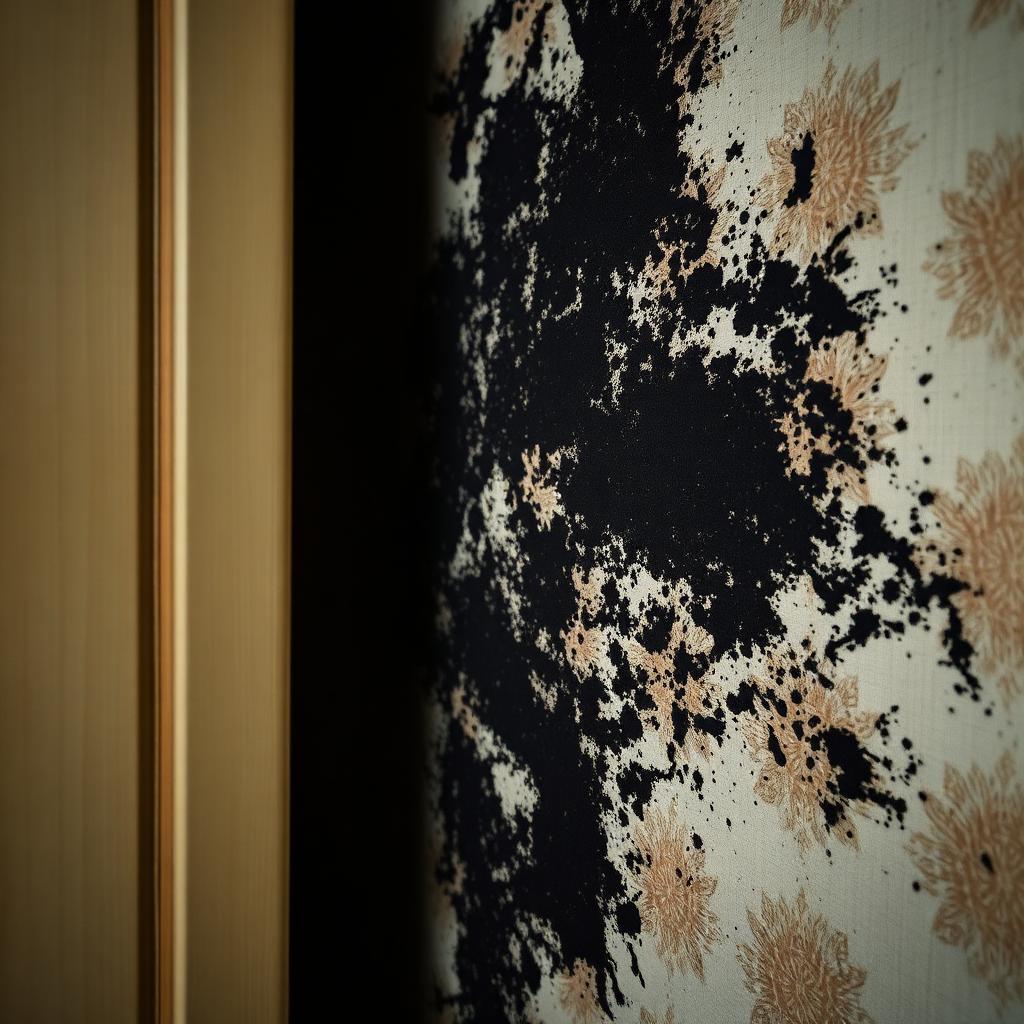
What We Usually Find
Damp is a broad word. It may describe condensation, plumbing leaks, rain penetration, rising moisture, saturated plaster, poor ventilation, or historic staining that is no longer active. A useful inspection narrows the possibilities.
Damp smells with no obvious leak
A musty smell can come from hidden mould, trapped moisture, wet materials, poor airflow or stored items against cold surfaces. The smell matters even when the wall does not look wet.
Wall staining and tide marks
Staining can suggest past or present moisture movement, but it needs context. We look at height, pattern, room use, external walls, plumbing positions and whether readings support active moisture.
Mould growth linked to damp areas
Mould near damp patches can indicate condensation on a cold wet surface, moisture from a leak, or poor drying after a defect was repaired. The cause affects the right treatment.
Recurring patches after decorating
Paint can hide staining temporarily, but if the material remains damp or salts are present, marks can return. Repainting before understanding the moisture source often wastes money.
Survey reports mentioning damp
Homebuyer surveys often flag damp readings without fully explaining cause. A focused damp check can help buyers understand risk before committing to repairs or negotiations.
Why The Problem Keeps Returning
Damp problems return when the source of moisture has not been identified or when the material has not been allowed to dry properly. Treating the surface before understanding the source can make the issue look better without improving the underlying condition.
Moisture can move through a property in different ways. Some issues are related to condensation and ventilation, while others may need plumbing, roofing, guttering, pointing, ground-level or specialist damp investigation.
ClearHome Care does not pretend every damp issue is the same. We help you understand what the visible signs suggest, what is within our scope, and when another trade or a more detailed survey is the right choice.
Our Inspection & Treatment Process
Our damp inspection is designed to give practical clarity. It is not a structural survey, but it can help you avoid treating the wrong problem.
Initial assessment
We review photos, room history, recent leaks, survey comments, odours, heating use and when the damp patch changes.
Moisture and airflow evaluation
We check visible moisture patterns, condensation risk, airflow restrictions, affected materials and clues around ventilation.
Identification of contributing factors
We explain whether the signs are more consistent with condensation, leak-related dampness, penetrating damp, poor drying or another likely factor.
Treatment recommendations
You receive next steps that may include monitoring, drying, mould treatment, ventilation improvement, repair by another trade or specialist damp survey.
Remediation where appropriate
If mould is present and the surface is suitable, we can advise on cleaning or carry out treatment as part of a wider prevention plan.
Prevention guidance
We explain practical ways to reduce excess moisture and improve drying conditions while avoiding claims that go beyond the inspection evidence.
Before, After & Airflow Evidence
Damp inspections are about context. The same stain can mean different things depending on the wall, the room, the season and how the property is ventilated.
Bedroom damp concerns often overlap with condensation.
Bedrooms can show mould and damp smells because they are occupied for long periods with doors closed and lower overnight temperatures.
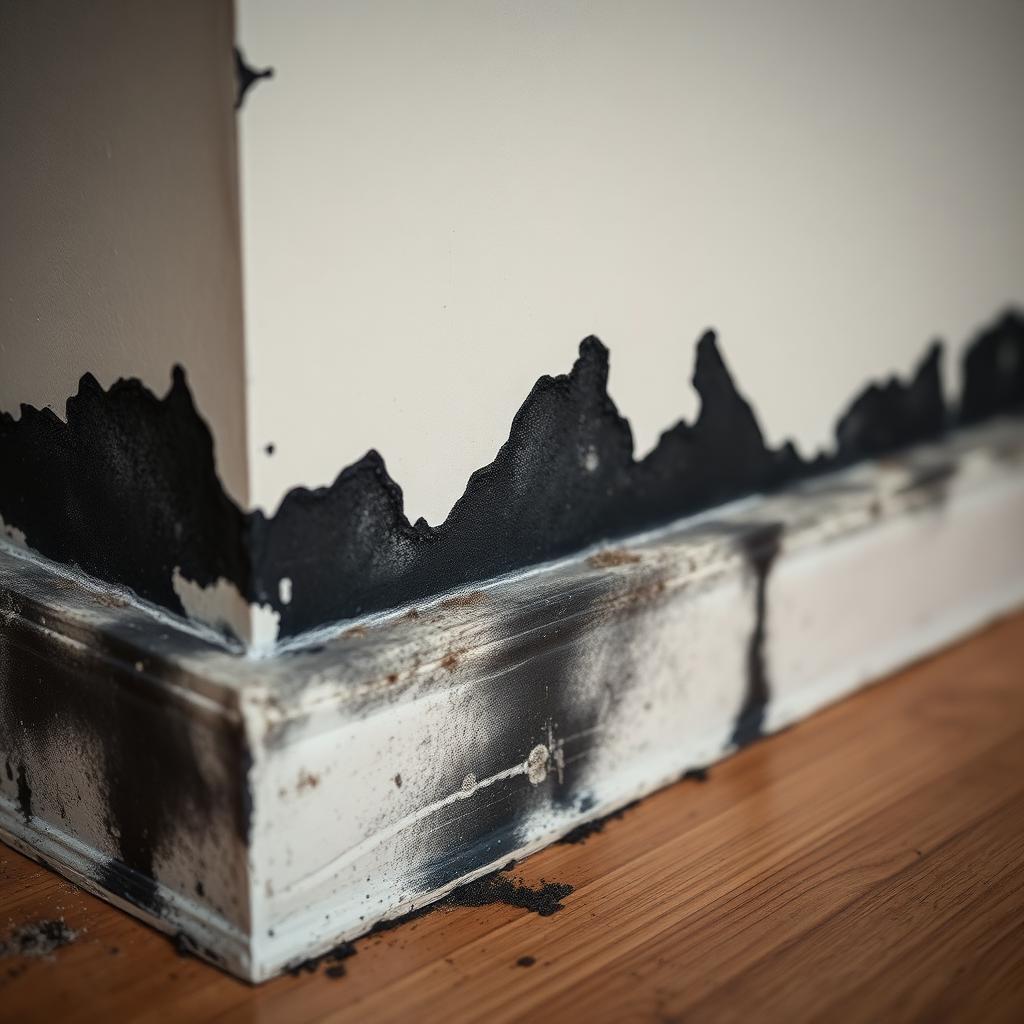
Corners can highlight cold bridging or moisture retention.
A corner patch needs context before treatment. We consider cold surfaces, external defects, furniture placement and airflow.

Clear guidance helps protect healthier living spaces.
The aim of a damp inspection is to help you make confident decisions about repairs, ventilation and mould prevention.
Support For Homes, Rentals & Managed Properties
Damp concerns often involve decisions about money, responsibility and timing. We help different property users get clear, practical information.
Homeowners
We inspect damp patches, smells, mould growth and recurring stains so homeowners can decide whether treatment, repair or monitoring is needed.
Homebuyers
If a survey mentions damp, mould or moisture readings, we can provide a focused check before you renegotiate, proceed or budget for works.
Landlords
We help landlords respond to reported damp with a practical property visit, photos and clear recommendations for further action.
Tenants
We explain visible signs and likely contributors in plain English, including condensation, ventilation and possible maintenance concerns.
Letting agents and managers
We support property teams that need damp issues triaged quickly and communicated clearly to owners, tenants and contractors.
Local Mould, Damp & Ventilation Knowledge
Our damp inspection service covers the East Midlands, including Nottingham, Derby, Leicester, Mansfield and Lincoln. The region includes older terraces, interwar homes, modern flats and rural properties, so damp diagnosis must consider the building rather than rely on a single generic answer.
Frequently Asked Questions
Clear answers to the questions people usually ask before booking an inspection, treatment visit or ventilation check.
What is included in a damp inspection?
We assess visible damp signs, mould risk, room conditions, ventilation, moisture patterns and likely contributing factors. We then explain practical next steps and whether another trade or specialist survey is needed.
Is a damp inspection the same as a structural survey?
No. Our inspection is a focused damp, mould and ventilation assessment. We do not provide structural surveys, invasive testing or legal expert-witness reports.
Can you tell if damp is caused by condensation?
Often we can identify signs that are consistent with condensation, such as cold surfaces, window moisture, mould patterns and weak airflow. Some cases still need further investigation.
Do moisture meter readings prove rising damp?
Not by themselves. Readings can be useful, but they need context because salts, materials, surface moisture and condensation can affect results.
Why does damp smell come and go?
Odours can change with humidity, heating, airflow and how wet materials are. A smell that returns during colder or wetter periods can indicate moisture is still present somewhere.
Can damp cause mould?
Yes. Mould needs moisture, so damp materials and condensation-prone surfaces can both support mould growth if conditions remain favourable.
Should I decorate over a damp patch?
It is usually better to understand the moisture source first. Decorating too soon can trap moisture or allow staining and mould to return.
Can you inspect a property before I buy it?
Yes. We offer focused homebuyer damp checks when a survey flags damp, mould or moisture concerns and you want practical next-step advice.
Book A Professional Inspection
We help identify mould, damp, condensation, and ventilation issues across the East Midlands with a focus on healthier homes and long-term prevention.