
Condensation Treatment Specialists
We help homeowners, landlords and tenants across the East Midlands understand condensation problems, reduce excess moisture and improve the conditions that lead to mould.
Condensation is not just water on glass. It can be a sign that humidity, heating, cold surfaces and ventilation are out of balance. ClearHome Care focuses on practical diagnosis and healthier indoor environments.
Free photo check available. Inspections and treatment are recommended only when they are likely to be useful.
What We Usually Find
Condensation forms when warm, moisture-rich air touches a colder surface. In many East Midlands homes, it is most visible on windows, but the same moisture can also affect walls, ceilings, cupboards and corners.
Water on windows every morning
Morning window condensation often means moisture produced overnight is not being cleared quickly enough. Bedrooms can be affected by closed doors, low background ventilation and colder external walls.
Mould around frames and reveals
Repeated condensation can wet paint, silicone, plaster and timber around windows. Once those surfaces stay damp for long enough, mould can develop even if the glass is wiped each day.
Bathroom steam moving through the house
Shower moisture can travel into hallways, bedrooms and landing areas if extraction is weak or the bathroom door is opened before steam is cleared.
Extractor fans that run but do not pull air
A fan can make noise without moving enough air. Dust, poor ducting, long runs, weak motors and blocked grilles can all reduce real-world extraction performance.
High humidity from everyday living
Cooking, drying clothes indoors, bathing, breathing and heating patterns all affect humidity. Condensation treatment works best when these are considered alongside the property itself.
Why The Problem Keeps Returning
Condensation returns when indoor moisture keeps reaching cold surfaces faster than the home can remove it. Wiping windows is useful, but it does not solve humidity buildup, poor extraction or air movement problems.
The cause is often a combination rather than one single fault. Newer windows can make homes more airtight, older walls can stay cold, and busy households can produce moisture faster than ventilation systems were designed to manage.
Our role is to identify the main contributors and recommend proportionate steps. Sometimes that means extractor cleaning or upgrades, sometimes it means improved background ventilation, and sometimes it means ruling out damp or leaks.
Our Inspection & Treatment Process
Condensation treatment starts with understanding when moisture appears, where it collects and how air moves through the property.
Initial assessment
We review the affected rooms, photos, window patterns, occupancy, heating routine and when condensation is worst.
Moisture and airflow evaluation
We look at humidity clues, cold surfaces, air paths, extractor performance and whether moisture is being trapped in specific rooms.
Identification of contributing factors
We separate likely condensation issues from other damp risks such as leaks, saturated materials or external defects where visible signs suggest more investigation.
Treatment recommendations
You receive clear options for reducing moisture, improving airflow and protecting surfaces vulnerable to mould.
Cleaning where appropriate
If condensation has led to visible mould, we can advise on or carry out suitable mould cleaning and surface treatment.
Prevention guidance
We explain everyday moisture management, fan use, heating consistency, ventilation habits and when further work may be beneficial.
Before, After & Airflow Evidence
Condensation is visible evidence. The important work is reading the pattern and matching it to the way the home is ventilated and used.
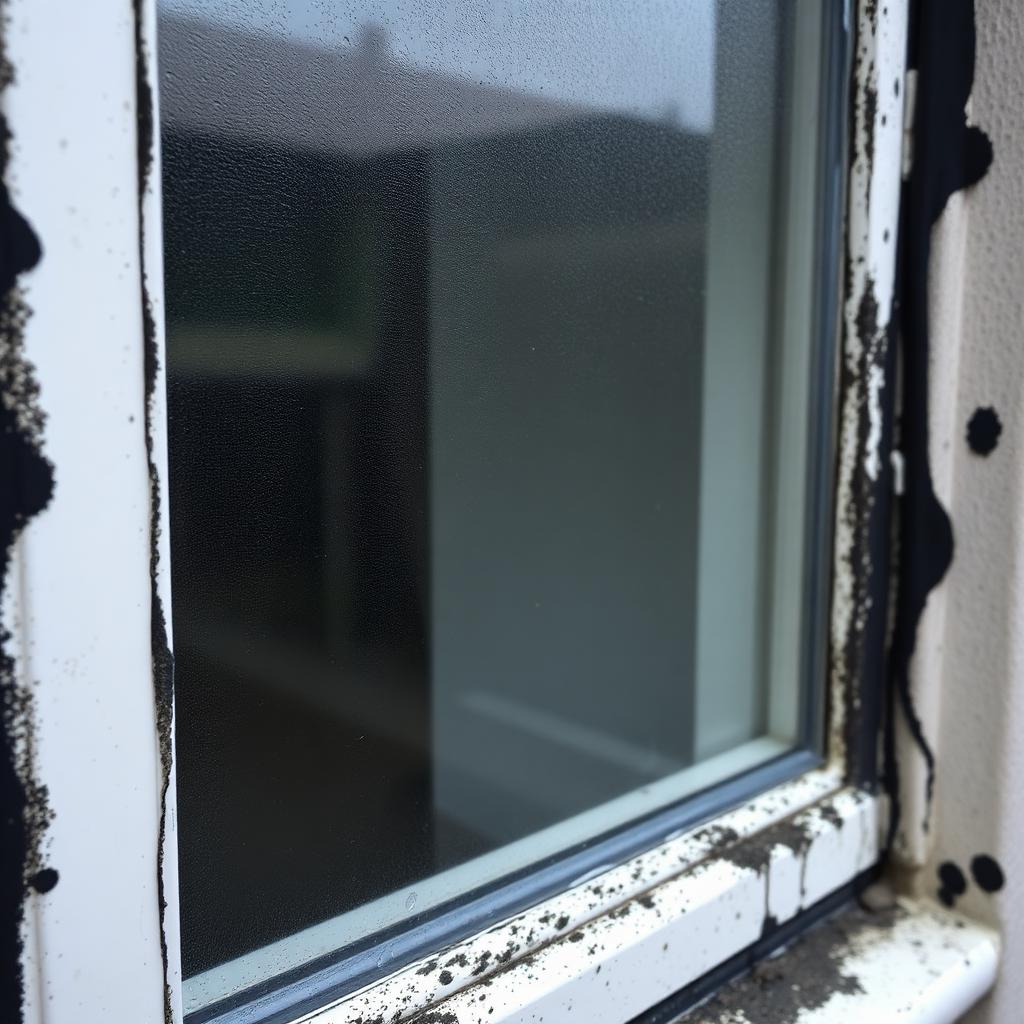
Window condensation can lead to mould on reveals and frames.
We look at the position and frequency of condensation, not just the water itself. Persistent wetting can affect surrounding surfaces.
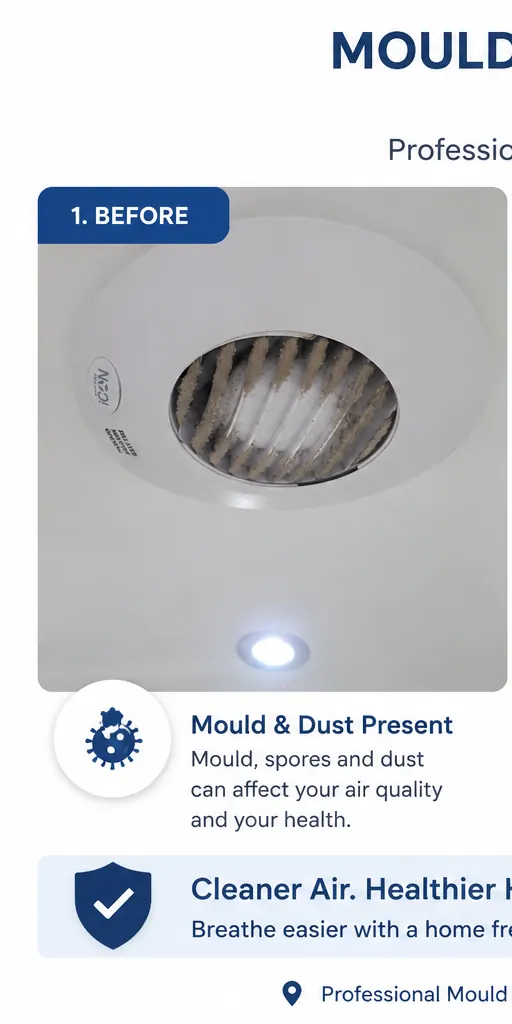
Blocked extractors can leave shower moisture indoors.
A dusty or obstructed extractor can underperform even when switched on. This can make condensation treatment much less effective.
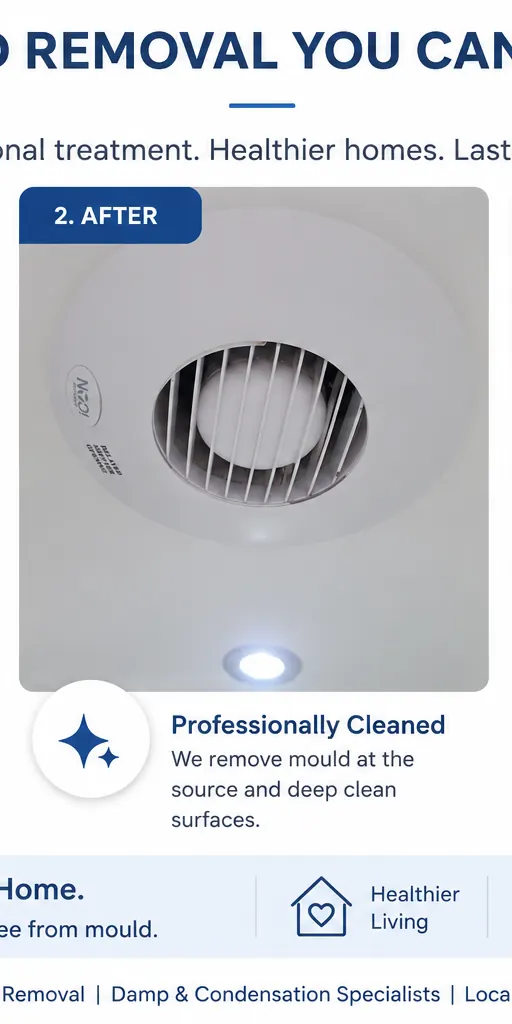
Cleaner airflow paths support moisture removal.
Where suitable, cleaning and checking extraction can be a practical first step before considering larger ventilation upgrades.
Support For Homes, Rentals & Managed Properties
Condensation can be frustrating because it often looks like a lifestyle issue when the property also plays a major role. We keep the discussion balanced and evidence-led.
Homeowners
We help homeowners understand window condensation, bedroom humidity, bathroom steam and mould risk without jumping straight to expensive works.
Landlords
We help landlords respond to condensation complaints with a practical inspection and recommendations that separate tenant use, ventilation and property condition.
Tenants
We explain what may be causing condensation and what practical steps can help, while noting where maintenance or ventilation improvements may be needed.
Letting agents
We provide clear feedback agents can use to coordinate owners, tenants and contractors when condensation is causing mould complaints.
Property managers
We help identify repeated condensation patterns across similar properties, such as weak bathroom extraction or poor background ventilation.
Local Mould, Damp & Ventilation Knowledge
We provide condensation treatment advice across Nottingham, Derby, Leicester, Mansfield, Lincoln and nearby East Midlands towns. Local homes range from older terraces to modern apartments, and both can suffer when moisture production, insulation and ventilation do not line up.
Frequently Asked Questions
Clear answers to the questions people usually ask before booking an inspection, treatment visit or ventilation check.
What causes condensation on windows?
Condensation forms when warm, humid indoor air meets cold glass or frames. It is common overnight in bedrooms and during colder months when ventilation is reduced and surfaces are cooler.
Is condensation the same as damp?
No. Condensation is moisture from indoor air settling on cold surfaces. Damp can also come from leaks, rising moisture, penetrating rain or defects. The signs can overlap, so inspection helps.
Can condensation cause black mould?
Yes. If surfaces remain damp regularly, mould can grow around windows, on ceilings, behind furniture and in corners. Reducing condensation helps reduce the conditions mould needs.
Will a dehumidifier fix condensation?
A dehumidifier can reduce indoor humidity, but it may not fix weak extraction, cold surfaces or lack of background ventilation. It is often one tool rather than the whole solution.
Do extractor fans help condensation?
Yes, when they are correctly specified, clean and used long enough. A fan that is blocked, weak or poorly ducted may not remove moisture effectively.
Why is condensation worse in winter?
Cold outdoor temperatures make internal surfaces cooler, and homes are often kept more closed up. That combination makes it easier for humid air to condense.
Can new windows make condensation worse?
Sometimes. New sealed windows can reduce draughts and heat loss, but they can also reduce natural air leakage. Without suitable ventilation, moisture may stay indoors longer.
Do you provide condensation inspections for landlords?
Yes. We inspect rental properties, record visible signs, consider ventilation and moisture factors, and provide practical recommendations for next steps.
Book A Professional Inspection
We help identify mould, damp, condensation, and ventilation issues across the East Midlands with a focus on healthier homes and long-term prevention.